
“Co-production is a different imagining of the world we know”
Edgar Cahn
If you work in public services, especially in the world of health and social care, co-production will be big on your radar. You might be busy writing a strategy, recruiting a lead, getting stressed about payment policies and engaging with those hard-to-reach groups. It’s so much extra work isn’t it, on top of the day job?!
Hang on… when did co-production become something else we have to do on a Thursday afternoon in a meeting room with dodgy coffee and a value pack of custard creams (if you’re lucky)?
We know that co-production isn’t extra work, it is the work. It’s not something to be confined to the remit of a lead or a board or constrained by a strategy or a framework or a policy. It’s an ethos and a value-base that should run through everything we do.
BUT …this isn’t just about the ethics and the values. At this time of precarious finances and budget cuts it’s easy to think of co-production as a ‘nice to have’ rather than as what it is – an essential. Essential because when we make decisions about people without people, we often get it wrong, and getting it wrong costs, both financially and in people’s lives.
Co-production is the opposite of extra expense. It's a way of driving waste out of an organisation and reducing financial pressure from doing things badly or bureaucratically ….and it more than pays for itself.
This isn’t about wondering whether you can afford
co-production, it’s knowing that you can’t afford not to invest.

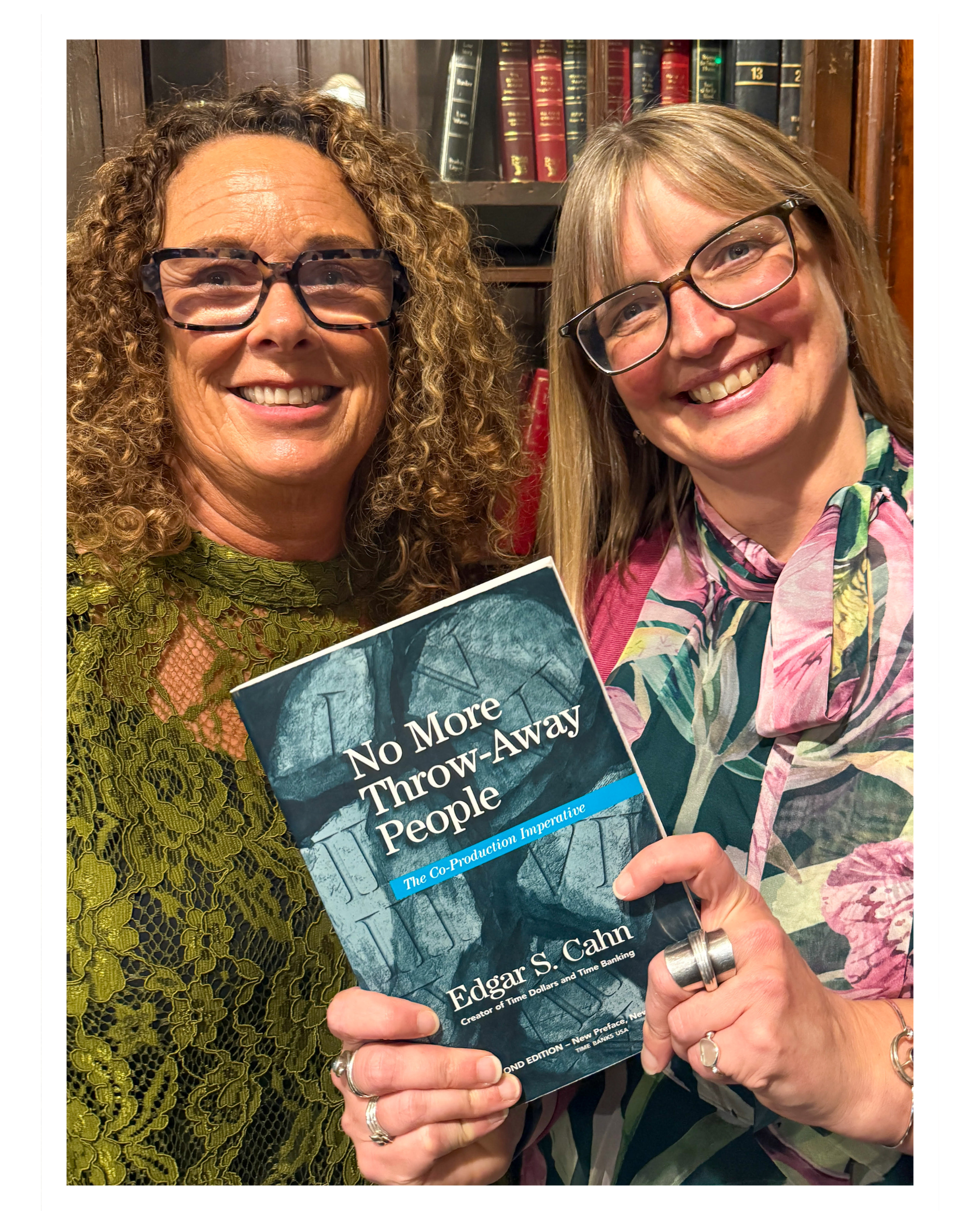
Gloriously Ordinary Co-production takes inspiration from the amazing Edgar Cahn – the grandfather of co-production. Our two Bottom Lines and Four Tests for Gloriously Ordinary Co-production link directly back to his work and his ideas.
Curious: an introduction to Gloriously Ordinary Co-production and Together: a year of Gloriously Ordinary Co-production are an invitation to be brave and step away from everything that feels comfortable…
An Introduction
What is Gloriously Ordinary Co-production?
Tricia and Bryony explain.

About us

Tricia Nicoll
Tricia has worked in the world of health and social care for 30 years and is passionate about helping services and support work in ways that really do help people to get Gloriously Ordinary Lives. She is Mum to two amazing grown-up children who happen to be autistic.
“I first started exploring the idea of co production when I was a teacher, although I didn’t know the word co-production back then. As a newly qualified teacher, I just thought it was crazy that we assumed a bunch of adults have all the answers to how schools should work and education should be ‘delivered’. I tried to create a classroom where students worked with me and each other to plan their day, prioritise their learning and reflect on how things were going. Spoiler alert – it worked.
From my mid-twenties, I needed support from the mental health system and from my earliest experiences I was the classic passive recipient. Support planning was done to me, ‘treatments’ decided for me by professionals who knew best. My family persuaded that this was how things needed to be. As I became deeply embedded in the system (and increasingly frustrated by it) I started being asked to take part in strategic co-production processes – invited as the mental health service user rep, and there because of my diagnosis, never because of my skills, knowledge or experience. It was always the system’s agenda, and our role was to contribute, comment and tweak. Deeply unsatisfying.
I’m frustrated by how little we trust each other at the bottom layer of our co-production sandwich to know what’s best for our own lives. Running an advocacy organisation, I tried to develop ways of working at the middle layer of the sandwich, particularly inclusive and equal recruitment processes, and I’ve worked in central government exploring how best to develop policy and practice in partnership with people and families.
The most important thing I’ve learned is that the point of support for any of us is that it enables us to live our Gloriously Ordinary Lives AND that it is actually impossible for any organisation to do that without people and families. We are so excited to share Gloriously Ordinary Co-production with you.”
Bryony Shannon
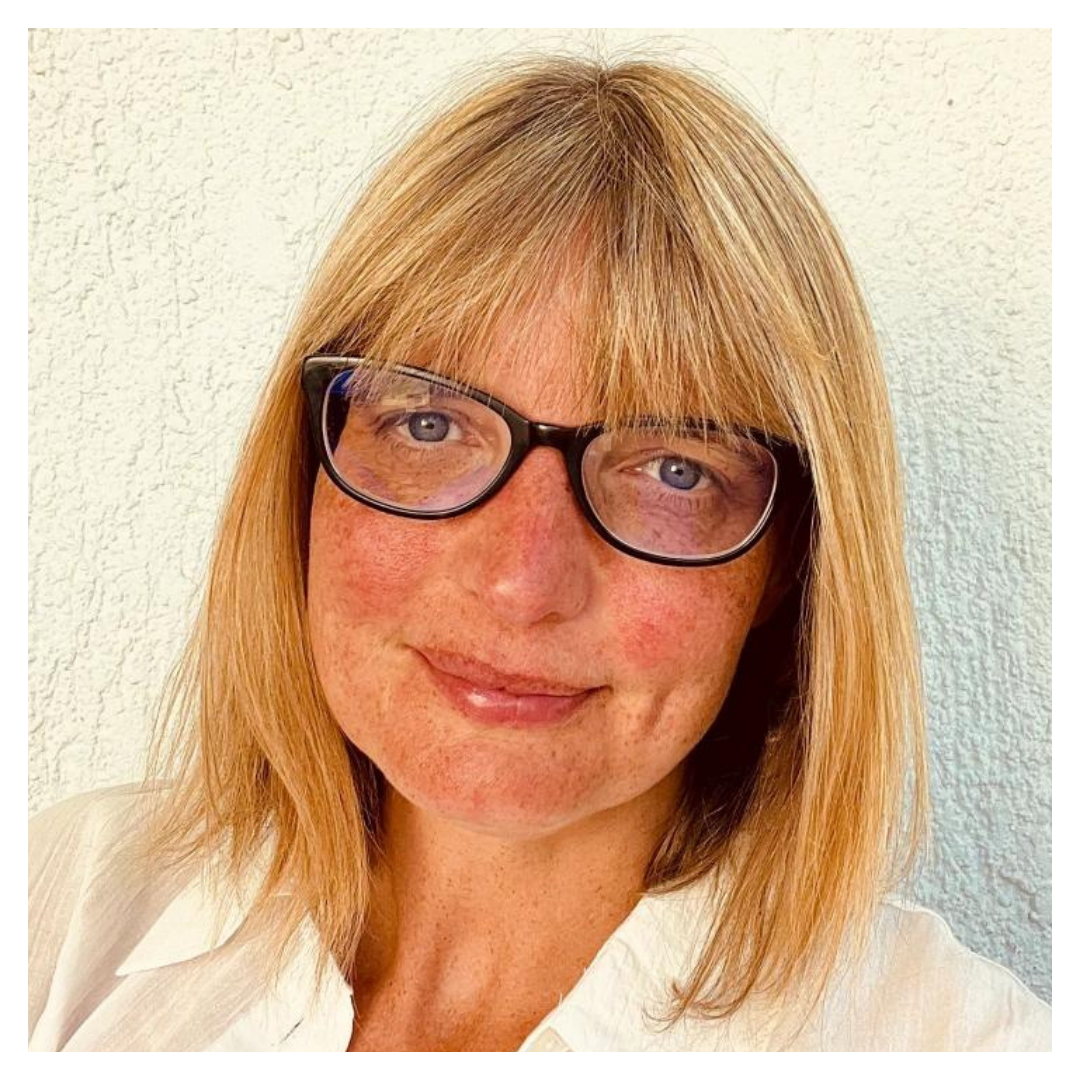
Bryony has worked in adult social care information, communications and practice development in local government for almost 20 years and is the author of the popular Rewriting Social Care blog, and the Rewriting Social Care book.
“I’ve worked in - and with - many local authorities over many years, leading and influencing work across all the layers of our co-production sandwich.
The bottom layer of the sandwich comes first for a reason. Gloriously Ordinary Co-production demands that we think about, talk about and work directly with each other as equal, valued human beings. Brene Brown writes that “dehumanising always starts with language” and that’s why I’m so passionate about challenging and changing the language we use to communicate about each other. Too often our language builds walls rather than bridges. We need to dismantle these walls and adopt Gloriously Ordinary Language to ensure we can all live Gloriously Ordinary Lives.
At the middle layer of the sandwich, I’ve worked alongside people working in - and drawing on support from - adult social care to co-produce public information, policies, new approaches to practice, and several events. And at the top layer I’ve established a strategic co-production board and co-production recognition and reward fund.
I’ve seen some brilliant examples of co-production, where people and relationships have flourished. And I’ve seen some truly dreadful stuff done in the name of co-production, which would absolutely not meet our Two Bottom Lines and Four Tests.
I’m excited to be working on Gloriously Ordinary Co-production with Tricia. We both bring different experiences and perspectives, but we’re both passionate about people living Gloriously Ordinary Lives.”